Your body runs on glucose. Every cell needs it. When you eat, your pancreas releases insulin, a hormone that unlocks your cells so glucose can enter and power them. In diabetes, this process breaks down. Either your pancreas stops making insulin, or your cells stop responding to it. Glucose builds up in your blood instead of fueling your cells.
Over 37 million Americans have diabetes. Another 96 million adults have prediabetes, a condition where blood sugar is higher than normal but not yet high enough for a diabetes diagnosis. Most do not know it.
The disease damages blood vessels, nerves, kidneys, eyes, and heart over time. But you can slow or prevent these complications. The difference lies in understanding what happens in your body and taking specific steps to manage it.

What Happens in Your Body When You Have Diabetes
When you eat, your digestive system breaks food down into glucose. That glucose enters your bloodstream. Your pancreas detects the rise in blood sugar and releases insulin. Insulin acts like a key. It binds to receptors on your cells and opens pathways for glucose to enter.
In diabetes, one of two things goes wrong. In type 1 diabetes, your immune system attacks and destroys the insulin-producing cells in your pancreas. You make little or no insulin. Without insulin, glucose cannot enter your cells. It accumulates in your blood.
In type 2 diabetes, your body still makes insulin, but your cells become resistant to it. The insulin key does not work as well. Your pancreas tries to compensate by making more insulin. Over years, it cannot keep up. Blood sugar rises.
High blood sugar causes immediate symptoms like thirst and frequent urination. Your kidneys try to flush out the excess glucose through urine. You lose water and feel thirsty. Over months and years, high glucose damages the lining of blood vessels. Small vessels in your eyes, kidneys, and nerves take the worst hit.
The Two Main Types and How They Differ
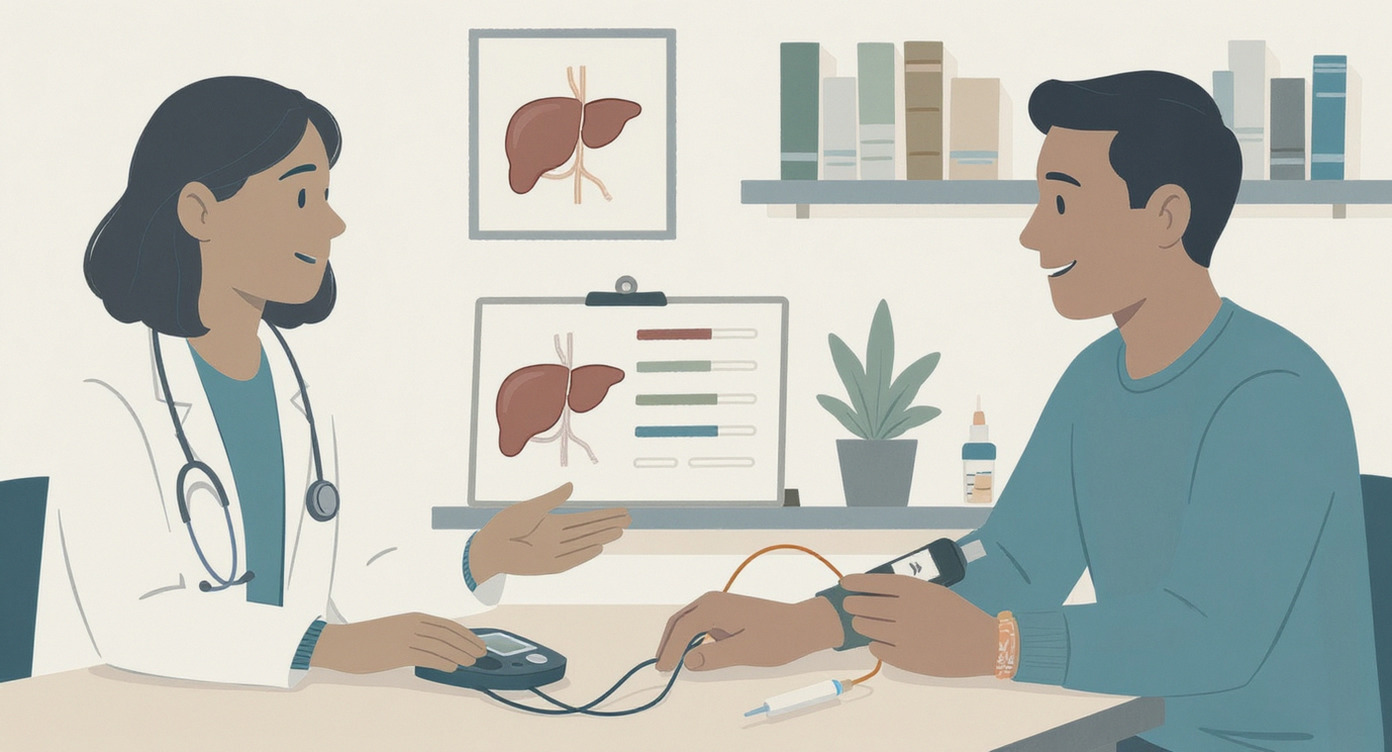
Type 1 and type 2 diabetes produce similar blood sugar problems but have different causes and often different treatments.
Type 1 Diabetes
Type 1 is an autoimmune disease. Your immune system mistakes the beta cells in your pancreas for invaders and destroys them. No one knows exactly why this happens. Genetics play a role, but so do environmental triggers. Most people develop type 1 before age 30, though it can appear at any age.
You need insulin injections or an insulin pump to survive. Your body cannot make its own. About 1.9 million Americans have type 1 diabetes. It accounts for 5 to 10 percent of all diabetes cases.
Type 2 Diabetes
Type 2 develops when your cells become insulin resistant. Your pancreas makes insulin, but your cells do not respond well. Risk factors include being overweight, physical inactivity, age over 45, family history, and certain ethnic backgrounds. About 90 to 95 percent of people with diabetes have type 2.
You can often manage type 2 through diet, exercise, and oral medications. Some people eventually need insulin. Unlike type 1, you may be able to reverse or control type 2 through weight loss and lifestyle changes.
Warning Signs You Should Not Ignore
Many people have diabetes for months or years before they notice symptoms. Diabetes symptoms develop gradually in type 2. They appear suddenly in type 1.
Watch for these signs:
- Increased thirst and urination, especially at night
- Extreme hunger even after eating
- Unexplained weight loss
- Fatigue that does not improve with rest
- Blurred vision
- Slow-healing cuts or frequent infections
- Tingling or numbness in hands or feet
If you notice several of these, get tested. A simple blood test measures your glucose levels. The A1C test shows your average blood sugar over the past three months. A result of 6.5 percent or higher on two separate tests indicates diabetes.
Prediabetes shows up as an A1C between 5.7 and 6.4 percent. At this stage, you can still prevent progression to type 2 through lifestyle changes.

How to Monitor and Manage Your Blood Sugar
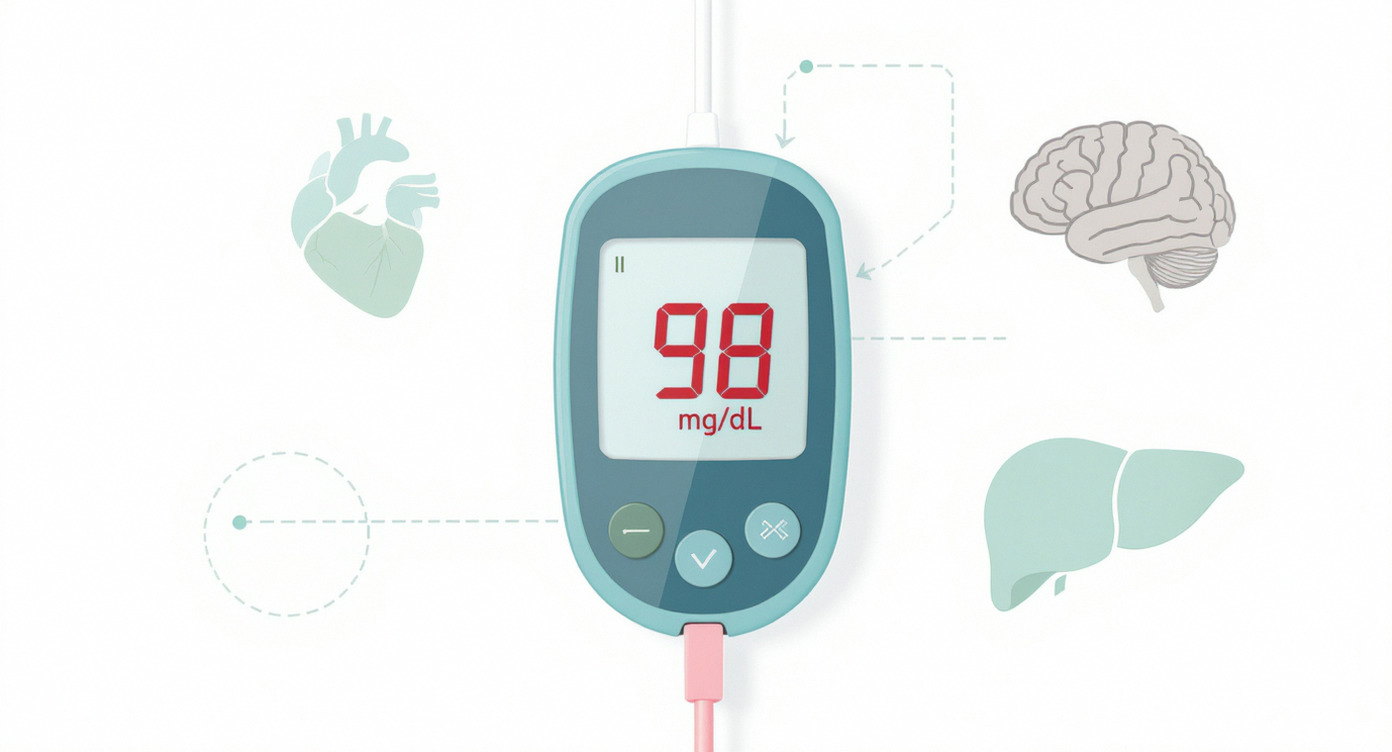
Managing diabetes means keeping your blood sugar in a target range. Your doctor will give you specific numbers based on your age, other health conditions, and type of diabetes. For most adults, the American Diabetes Association recommends 80 to 130 mg/dL before meals and less than 180 mg/dL two hours after starting a meal.
You will check your blood sugar regularly. Traditional glucose meters require a finger prick. You place a drop of blood on a test strip. The Contour Next Blood Glucose Test Strips work with Contour Next meters and provide accurate readings without coding. They allow a second blood sample if the first one was too small.

Lingo Continuous Glucose Monitor (CGM) & App. Made by Abbott. Know the impact of what you eat. 1 Lingo biosensor lasts up to 14 Days*. Works with iOS and Android. US Only.

Contour Next Blood Glucose Test Strips for Diabetes – 70 + 35 Count (2 Pack, Total 105) — Accurate, No Coding, Second-Chance Sampling, Compatible with All Contour Next Meters for Easy Blood Sugar Test
Continuous glucose monitors offer an alternative. These devices use a sensor inserted under your skin to measure glucose every few minutes. The Lingo Continuous Glucose Monitor made by Abbott tracks glucose in real time through an app on your phone. Each sensor lasts up to 14 days. You can see how specific foods, exercise, and stress affect your levels throughout the day.
Monitoring shows patterns. You might discover that your morning blood sugar spikes after cereal but stays stable after eggs. You might see that a 20-minute walk after dinner brings your numbers down. These insights let you adjust before small problems become big ones.
Diet Changes That Lower Blood Sugar
What you eat directly affects your glucose. Carbohydrates raise blood sugar more than proteins or fats. But you do not need to eliminate carbs. You need to choose the right ones and control portions.
Focus on fiber-rich foods. Vegetables, whole grains, beans, and nuts slow glucose absorption. They prevent spikes. Avoid or limit refined carbs like white bread, pastries, and sugary drinks. These cause rapid spikes followed by crashes.
Eat protein with every meal. It slows digestion and keeps you full longer. Choose lean meats, fish, eggs, tofu, or Greek yogurt. Include healthy fats from olive oil, avocados, and nuts.
Portion size matters as much as food choice. Use smaller plates. Fill half your plate with non-starchy vegetables, one quarter with protein, and one quarter with whole grains or starchy vegetables.
Exercise as Medicine
Physical activity lowers blood sugar in two ways. During exercise, your muscles pull glucose from your blood for energy. After exercise, your cells become more sensitive to insulin for hours.
Aim for 150 minutes of moderate activity per week. That breaks down to 30 minutes five days a week. Brisk walking counts. So does swimming, cycling, or dancing. Anything that raises your heart rate works.
Add strength training twice a week. Muscle tissue uses more glucose than fat tissue, even at rest. Building muscle improves blood sugar control long-term.
Check your blood sugar before and after exercise when you start. Some medications can cause low blood sugar during intense activity. Learn how your body responds.
Medications and When You Need Them
Type 1 diabetes always requires insulin. You cannot manage it through diet alone. You will take multiple daily injections or use an insulin pump. Your doctor will teach you how to match insulin doses to your food intake and activity level.
Type 2 diabetes may or may not need medication at first. If lifestyle changes do not bring your A1C below 7 percent within three months, your doctor will likely prescribe medication. Metformin is usually the first choice. It reduces glucose production in your liver and improves insulin sensitivity.
Other medications work through different mechanisms. Some stimulate your pancreas to release more insulin. Others slow carbohydrate absorption in your intestines. GLP-1 receptor agonists help you feel full and lower blood sugar. SGLT2 inhibitors cause your kidneys to remove glucose through urine.
If oral medications do not control your blood sugar, you may need insulin even with type 2 diabetes. This does not mean you failed. It means your pancreas needs help.
Preventing Complications Before They Start
High blood sugar damages your body silently. You may feel fine while your blood vessels, nerves, and organs take damage. Regular screening catches problems early when they are easier to treat.
Get a comprehensive eye exam every year. Diabetes can damage the blood vessels in your retina, leading to diabetic retinopathy. Caught early, laser treatment can prevent vision loss.
Check your feet daily. Look for cuts, blisters, red spots, or swelling. Nerve damage can reduce feeling in your feet. A small cut can become a serious infection before you notice it. Wash and dry your feet daily. Wear shoes that fit well.
See your dentist twice a year. Diabetes increases your risk of gum disease. Infections in your mouth can raise your blood sugar.
Monitor your kidney function. Your doctor will order urine and blood tests to check how well your kidneys filter waste. Early kidney disease shows no symptoms.
Know your heart disease risk. Diabetes doubles your risk of heart attack and stroke. Keep your blood pressure below 140/90 and your LDL cholesterol below 100. Take a statin if your doctor recommends it.
Living Well With Diabetes Starts Now
You cannot cure diabetes, but you can control it. The actions you take today shape your health 10 and 20 years from now. Small daily habits matter more than occasional big efforts.
Check your blood sugar as prescribed. Take your medications on schedule. Move your body most days. Choose foods that stabilize rather than spike your glucose. Sleep seven to eight hours. Manage stress through whatever method works for you.
Find support. Talk to other people managing diabetes. Join an online community or a local support group. Share what works and what does not. Ask questions. The more you know about how diabetes affects your specific body, the better you can manage it.
Your diagnosis does not define you. It requires attention and discipline, but millions of people with diabetes live full, active lives. You can be one of them.
Добавить комментарий