A practical tutorial on using an air fryer for home coffee roasting, including which air fryer models work best, temperature settings, batch size limitations, stirring techniques, and how to monitor roast progression without a thermometer. Addresses smoke concerns, ventilation needs, and realistic expectations for air fryer roasting quality. Targets budget-conscious beginners and people searching for alternative roasting methods using equipment they already own.
Блог
-
Ethiopian Coffee Beans Guide: Varieties, Regions, and Roasting Tips
A complete guide to Ethiopian coffee covering the major growing regions (Yirgacheffe, Sidamo, Harrar), heirloom varieties, natural vs washed processing methods, flavor profiles, and specific roasting recommendations for Ethiopian beans. Explains why Ethiopian coffees are prized by specialty roasters, how to source authentic Ethiopian green beans, and optimal roast profiles to highlight fruity, floral characteristics without overdevelopment.
-
Behmor 2000AB Coffee Roaster Review: Is It Worth It in 2025?
An honest, thorough review of the Behmor 2000AB drum roaster after roasting 50+ pounds through it, covering roast consistency, capacity, pre-programmed profiles vs manual mode, smoke production, learning curve, maintenance, and whether it justifies the $400+ price point. Compares it to other mid-range home roasters and provides tips for getting the best results, targeting buyers researching this specific popular model.
-
Coffee Roasting Stages Explained: From First Crack to Second Crack
A detailed visual and written guide to understanding the chemical and physical changes during coffee roasting, with focus on identifying first crack, development time, and second crack. Includes audio descriptions, temperature ranges for each roast level, how to stop the roast at the perfect moment, and troubleshooting uneven roasts. Perfect for beginners learning to listen for audible cues and intermediate roasters refining their timing.
-
Where to Buy Green Coffee Beans Online: 12 Best Suppliers for Home Roasters
An in-depth resource comparing the best online green coffee bean suppliers, including Sweet Maria’s, Burman Coffee, Happy Mug, and specialty importers. Covers pricing, minimum order quantities, bean variety selection, shipping quality, sample programs, and customer service. Includes a comparison table and specific recommendations based on experience level and budget, targeting home roasters looking to source quality green beans and comparing supplier options.
-
Best Popcorn Popper for Roasting Coffee: Complete Guide for Beginners
This comprehensive guide covers why popcorn poppers are the most affordable entry into home coffee roasting, reviews of the top 5 popcorn popper models for roasting (including the cult-favorite West Bend Poppery), step-by-step instructions for your first roast, temperature monitoring techniques, and modifications for better airflow. Targets beginners searching for budget-friendly roasting methods and ranks on low-competition long-tail searches around popcorn popper modifications and specific model recommendations.
-

What the American Diabetes Association Actually Recommends (And Why It Matters)
Most likely, your doctor uses rules from the American Diabetes Association — just never says so outright. Each January brings fresh updates to those care standards, shaping treatment for millions living with diabetes across the country. One detail often missed: thirty seven million people follow paths drawn by these yearly changes.
Here’s the catch. Lots of folks managing diabetes don’t go through those guidelines on their own. Instead, they rely on their medical providers to explain things. It works — sure — but knowing what the ADA really says can shift how you talk with your physician, plus sharpen your grip on day-to-day decisions. Still, it stays just about right in length.
What the ADA does
ADA responsibilities
Not run by the government, the American Diabetes Association began in 1940 as a nonprofit. Funding studies comes first, yet it also pushes for better policies supporting those living with diabetes. Because its mission spreads wide, it issues detailed health rules yearly. Over two hundred pages long, the guide called Standards of Medical Care in Diabetes includes testing methods along with advice for expectant mothers. Technology’s role in treatment? That shows up too, tucked into sections where tools meet daily care.
When figuring out coverage, insurers look to these guidelines. Treatment plans in hospitals are shaped by their recommendations. Picking one medication over another? That choice often follows what these standards suggest.
The HbA1c target most people get wrong
A fresh look at health rules arrived in 2024. Weight-loss drugs got clearer advice, while heart-related risks saw new updates — personal needs now matter more than fixed numbers. Instead of one-size-fits-all goals, choices follow the person.
Most folks mess up their HbA1c goal without even realizing it

Picture a person managing blood sugar. Most will say keeping HbA1c below seven percent is the goal. This target traces back to guidelines from the ADA. Yet that single figure hides more than it shows.
Most grown-ups should aim for an A1c under 7%, says the ADA. Yet that does not apply to everyone. What counts is who you are. Older individuals might do better with a goal between 7.5% and 8%. So can folks who often run low on blood sugar. Even life span plays a role here. Targets shift when health outlook changes. Flexibility shows up where it’s needed.
How the ADA approaches diabetes treatment
Low blood sugar becomes more dangerous when glucose drops too fast. A sudden drop might lead to a fall, especially in someone seventy-five with heart issues. Driving could turn risky after an episode like that. Even the heart may respond poorly under such stress. Balancing safety today matters as much as future outcomes. That is why guidelines consider harm alongside potential gains.
Younger adults who’ve just learned they have diabetes might aim below 7%, but only when low blood sugar isn’t a problem. What matters most is fitting the goal to the person. Each plan works best when shaped by personal health.
How the ADA Handles Diabetes Care

Now metformin isn’t always step one for type 2 diabetes care. A full shift has reshaped how doctors follow the ADA’s plan. Ten years back, this drug got handed out without hesitation. Different thinking guides choices these days.
What the guidelines say about daily management
Right now, treatment plans match drugs to your personal health dangers. Got heart issues or likely to develop them? Then GLP-1 meds or SGLT2 blockers are advised by the ADA — even if blood sugar levels seem fine. Dealing with weak kidneys or a struggling heart pump? That shifts focus straight to SGLT2 options first. Yet choices always tie back to what’s happening inside your body.
This represents a shift from glucose-centric thinking to outcomes-based thinking. The question isn’t just «what lowers blood sugar?» It’s «what reduces your chance of having a heart attack, stroke, or kidney failure?»
These days, starting everyone on metformin is no longer automatic. For those without added health issues, it still makes sense. Low cost helps. So does how well it works. Years of use back its safety record. Still, one-size-fits-all thinking fades now.
What the guidelines say about daily management

Screening recommendations most people miss
Focusing only on drugs misses the bigger picture when it comes to diabetes care. Nutrition plays a role just as much as movement does throughout each day. Rest matters too, not separate from how someone feels mentally. Emotional well-being ties into daily habits more than many realize.
When it comes to eating well, the ADA does not push one specific plan. Mediterranean? Low-carb? Plant-based? Or even DASH — each might fit different people. Sticking with it matters more than perfection on paper. Swap sugary drinks for water; choose whole grains instead of white bread. Vegetables without starch take center stage, along with clean protein sources. What works depends on who’s holding the fork.
- Dilated eye exam yearly to catch retinopathy early
- Urine albumin test yearly to detect kidney damage
- Comprehensive foot exam yearly, including monofilament testing
- Lipid panel at diagnosis and periodically thereafter
- Blood pressure measurement at every visit
Every week, aim for about 150 minutes of movement that gets your heart going — do this across three days or more. Resistance work fits best when done twice or thrice each week. Instead of staying seated too long, stand or move a bit every half hour. Light motion helps break up stillness throughout the day.
Technology recommendations
When night comes, rest matters just as much. Seven to nine hours is where most grown-ups need to land. Without solid sleep, the body struggles more with insulin. Blood sugar becomes tougher to manage when nights are short or broken.
Screening recommendations most people miss

Yearly checks for issues are advised by the ADA right when type 2 diabetes is found, yet for type 1, they begin five years later. Still, plenty of folks miss them regularly.
Where to find the actual guidelines
The list includes:
Dilated eye exam yearly to catch retinopathy early
Urine albumin test yearly to detect kidney damage
What this means for you
Once each year check feet fully, using a thin wire test included. A healthcare worker feels how well toes sense touch then writes down results. This happens every twelve months without fail during regular visits
Check cholesterol levels when first diagnosed, then follow up now and again over time
Blood pressure measurement at every visit
-

Type 1 Diabetes: What You Need to Know About Living With It
About 1.6 million Americans live with type 1 diabetes. That number grows by roughly 64,000 new diagnoses each year. Unlike type 2, you can’t prevent it. You can’t reverse it with diet or exercise. Your immune system attacks the cells that make insulin, and the damage is permanent.
But here’s what the statistics don’t capture: people with type 1 diabetes run marathons, have kids, build companies, and live long lives. The condition demands constant attention. It doesn’t demand you shrink your ambitions.
What type 1 diabetes actually is
Your pancreas contains beta cells. These cells produce insulin, the hormone that moves glucose from your blood into your cells for energy. In type 1 diabetes, your immune system destroys these beta cells. No one knows exactly why.
Without insulin, glucose stays in your blood. Your cells starve while your blood sugar levels climb dangerously high. Before synthetic insulin existed, a type 1 diagnosis meant death within months.
The condition usually appears in childhood or adolescence, though adults get diagnosed too. A 35-year-old can wake up one day with symptoms that seem to come from nowhere. The autoimmune process may have been running quietly for years.
Recognizing the warning signs
The type 1 diabetes symptoms hit fast. We’re talking days to weeks, not months. Watch for these:
- Extreme thirst that water doesn’t satisfy
- Frequent urination, including at night
- Unexplained weight loss despite eating normally
- Constant hunger
- Blurred vision
- Fatigue that sleep doesn’t fix
Kids sometimes get misdiagnosed with the flu or a stomach bug. The symptoms overlap. If your child shows several of these signs together, push for a blood glucose test. It takes minutes and could save their life.

How it differs from type 2
People confuse these constantly. They’re different diseases with the same name.
Type 2 diabetes involves insulin resistance. Your body makes insulin, but your cells don’t respond to it properly. Lifestyle factors play a role. Many people manage it through diet, exercise, and oral medications.
Type 1 is autoimmune. Your body makes zero insulin. No pill fixes that. You need external insulin to survive. Period. A thin, athletic 12-year-old and an overweight 50-year-old can both have diabetes, but they have completely different conditions requiring completely different treatments.
Daily management looks like this
Living with type 1 means becoming your own pancreas. You calculate how much insulin you need based on what you eat, your activity level, stress, illness, and sometimes what feels like the phase of the moon.
Most people check their blood sugar levels multiple times daily. A reliable glucose monitor matters. The Metene TD-4116 Blood Glucose Monitor Kit comes with 100 test strips, 100 lancets, and a no-coding meter with a large display. At $34.99, it’s an affordable starting point for anyone building their testing routine.
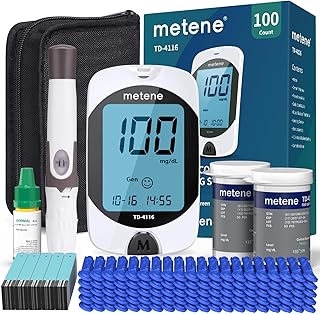 MeteneMetene TD-4116 Blood Glucose Monitor Kit, 100 Glucometer Strips, 100 Lancets, 1 Blood Sugar Monitor, Blood Sugar Test Kit with Control Solution, Lancing Device, No Coding, Large Display$34.99
 AUVONAUVON Insulin Cooler Travel Case with 2 x 90g TSA Approved Ice Packs, Diabetic Medication Insulated Cooling Bag for Insulin Pens and Diabetic Supplies Storage, Compact for Daily Life and Trips$9.99
You’ll inject insulin or use an insulin pump. Pumps deliver a continuous baseline dose and let you add extra when you eat. Injections require planning but work just as well for many people.

The carb-counting reality
Carbohydrates raise blood sugar. Protein and fat raise it less and slower. Every meal becomes a math problem.
You learn to estimate carbs in a slice of pizza, a bowl of rice, a banana. You learn that stress hormones spike your glucose even when you haven’t eaten. You learn that a workout can drop your levels hours later, sometimes in the middle of the night.
It gets easier. I’m not saying it gets easy. The mental load is real. But patterns emerge. You build instincts. A 2021 study found that people with type 1 diabetes make an average of 180 extra health-related decisions daily compared to people without it.
Technology that helps
Continuous glucose monitors changed the game. A small sensor sits under your skin and measures glucose every few minutes. Your phone shows the number and a trend arrow. Is your blood sugar rising? Falling? Stable? You know instantly instead of pricking your finger eight times a day.
Insulin pumps got smarter. Some now work with CGMs to adjust delivery automatically, reducing extreme highs and lows while you sleep. These hybrid closed-loop systems aren’t perfect, but they’re closer to mimicking a working pancreas than anything before.
Traveling with diabetes
Insulin needs refrigeration until you open it. Room temperature works for a month after that, but heat destroys it fast. Leaving it in a hot car for an afternoon can ruin an entire vial.
For trips, the AUVON Insulin Cooler Travel Case keeps your pens cold with TSA-approved ice packs. It’s compact enough for a carry-on and costs under $10. Small investment for peace of mind when you’re stuck on a delayed tarmac.
Pack double the supplies you think you need. Bring a doctor’s note explaining your medications and devices. Security lines with pumps and CGMs usually go smoothly, but not always.
The mental health piece
Diabetes burnout is common. You’re supposed to care about your blood sugar levels every hour of every day for the rest of your life. That’s exhausting.
Some people experience diabetes distress. Others develop eating disorders tied to insulin manipulation. The rate of depression runs higher in people with type 1 than in the general population.
None of this means failure. It means you’re human. If managing diabetes feels overwhelming, talk to your care team about support resources. Therapy with someone who understands chronic illness helps more than general advice.
What research looks promising
Scientists are working on several fronts. Encapsulated islet cell transplants could potentially give people working beta cells without requiring immunosuppression drugs. Early trials show promise.
Others focus on prevention, trying to stop the autoimmune attack before it destroys all the beta cells. In 2022, the FDA approved teplizumab, a drug that can delay type 1 diabetes onset by about two years in high-risk individuals.
A functional cure might come. It might not come in your lifetime. Plan as if it won’t, and celebrate if it does.
Building your support system
Your endocrinologist matters. So does your diabetes educator, your pharmacist, and your primary care doctor. But the people who often help most are others living with the same condition.
Online communities exist on every platform. Local meetups happen in most cities. Summer camps for kids with type 1 diabetes create lifelong friendships. There’s something about talking to someone who gets it, who doesn’t need every term explained, who understands why a blood sugar of 47 at 2 a.m. rattles you for days.
You don’t have to figure this out alone. The condition is yours, but the knowledge and support don’t have to be.
-

7 Diabetes Symptoms You Shouldn’t Ignore (And What to Do Next)
Your body has been sending signals for weeks. Maybe months. The problem? Most people don’t recognize diabetes symptoms until they’ve already caused damage.
Over 37 million Americans have diabetes. One in five don’t know it. That gap between having the condition and getting diagnosed can cost you your eyesight, your kidney function, or worse.
Here’s what to watch for.
Excessive thirst that won’t quit
You drink a full glass of water. Twenty minutes later, you’re parched again. This isn’t normal thirst after a salty meal or a hard workout. It’s a relentless, nagging dryness that no amount of liquid seems to fix.
When blood sugar runs high, your kidneys work overtime to filter the excess glucose. They pull water from your tissues to dilute the sugar, then flush it out through urine. You lose fluid. You get thirsty. You drink more. The cycle repeats.
If you’re drinking more than usual and it’s been going on for more than a week, pay attention. This is one of the earliest high blood sugar symptoms your body produces.
Frequent urination, especially at night
Getting up twice a night to use the bathroom? Three times? This connects directly to the thirst problem.
Your kidneys are dumping glucose, and they need water to do it. The result: you’re producing more urine than normal, sometimes double or triple your usual output. Doctors call this polyuria. Patients call it exhausting.

Track your bathroom trips for a few days. If you’re going more than 7-8 times in 24 hours with no obvious cause (like drinking extra coffee or taking a new medication), that’s worth investigating.
Unexplained weight loss
You haven’t changed your diet. You haven’t started exercising more. But the scale keeps dropping. Sounds like a dream, right?
It’s not.
When your cells can’t access glucose for energy (because insulin isn’t working properly), your body starts burning fat and muscle for fuel instead. You lose weight, but it’s the wrong kind of weight loss. This is particularly common among type 2 diabetes symptoms, though it can signal type 1 as well.
Losing 10-15 pounds over a few months without trying should prompt a call to your doctor.
Fatigue that sleep doesn’t fix
Everyone gets tired. This is different.
You sleep eight hours and wake up drained. By 2 PM, you can barely keep your eyes open. Simple tasks feel like running a marathon. The exhaustion sits in your bones.

Here’s what’s happening: glucose is floating around in your bloodstream, but it can’t get into your cells where it’s needed. Your cells are starving for energy while sugar piles up in your blood. It’s like having a full gas tank but a broken fuel line.
Fatigue paired with any other symptom on this list deserves attention.
Blurred vision that comes and goes
Your vision was fine last week. Now things look fuzzy. Next week, it might clear up again.
High blood sugar changes the shape of your eye’s lens. Fluid shifts in and out of the lens tissue as glucose levels rise and fall, warping your vision temporarily. This isn’t the same as needing glasses. It’s inconsistent, unpredictable, and directly tied to blood sugar fluctuations.
Left unchecked, persistently high blood sugar can cause permanent retinal damage. The temporary blurriness is a warning shot.
Slow-healing cuts and frequent infections
A paper cut that takes three weeks to heal. A minor scrape that gets infected. Yeast infections that keep coming back.
High blood sugar impairs your immune system and slows circulation. White blood cells can’t reach wounds as quickly. Bacteria and fungi thrive in sugar-rich environments. The result: your body struggles to fight off even minor threats.

Women with undiagnosed diabetes often experience recurring vaginal yeast infections or urinary tract infections. Men might notice skin infections or slow-healing sores on their feet.
Tingling or numbness in hands and feet
Pins and needles in your fingertips. A strange numbness in your toes. Sometimes a burning sensation.
This is diabetic neuropathy, and it’s a sign that high blood sugar has already started damaging your nerves. About half of all people with diabetes develop some form of nerve damage. It typically starts in the extremities.
The scary part: once nerve damage occurs, it often can’t be reversed. But catching diabetes early can prevent it from progressing.
What to do if you recognize these symptoms
Don’t wait. Don’t convince yourself it’s probably nothing.
Schedule a fasting blood glucose test with your doctor. It’s a simple blood draw that measures your blood sugar after 8 hours without food. A result of 126 mg/dL or higher on two separate tests indicates diabetes. Between 100-125 mg/dL means prediabetes.
 Metene TD-4116 Blood Glucose Monitor Kit, 100 Glucometer Strips, 100 Lancets, 1 Blood Sugar Monitor, Blood Sugar Test Kit with Control Solution, Lancing Device, No Coding, Large DisplayMetene$34.99
You can also monitor at home between appointments. Having your own glucose monitor lets you track patterns and catch spikes that might not show up during an occasional doctor visit.
If you’re noticing signs of diabetes in yourself or someone you care about, testing removes the uncertainty. Knowledge gives you options. Options give you control.
The bottom line
Diabetes symptoms often overlap with other conditions. Fatigue could be stress. Thirst could be dehydration. Blurred vision could be eye strain.
But when multiple symptoms show up together, and they persist for weeks, your body is trying to tell you something.
Listen to it. Get tested. Early detection changes outcomes. People diagnosed early can manage their blood sugar, protect their organs, and live full lives. People diagnosed late face complications that could have been prevented.
The symptoms are the warning. What you do next is up to you.
-
Type 2 Diabetes: What Actually Happens Inside Your Body
Your pancreas is working overtime. It’s pumping out insulin, sometimes two or three times the normal amount, but your cells aren’t responding. This is type 2 diabetes, and it’s affecting more than 37 million Americans right now.
Here’s what most people get wrong: type 2 diabetes isn’t a sugar problem. It’s a communication problem. Your body produces insulin, the hormone that tells cells to absorb glucose from your blood. But the cells stop listening.
The result? Glucose builds up in your bloodstream while your cells starve for energy. Your pancreas responds by producing even more insulin. Eventually, it can’t keep up.
The difference between type 1 and type 2
Type 1 diabetes is an autoimmune condition. The body attacks the cells that produce insulin. People with type 1 need insulin injections to survive.
Type 2 is different. The pancreas still makes insulin, at least initially. The problem is insulin resistance, where cells in your muscles, fat, and liver don’t respond properly to the hormone. About 90-95% of all diabetes cases are type 2.
The distinction matters for treatment. You can’t prevent type 1. Type 2, in many cases, you can.

Who gets type 2 diabetes
Age plays a role. Risk increases significantly after 45. But type 2 is showing up in younger people now, including teenagers. The CDC reported a 95% increase in type 2 diabetes among people under 20 between 2001 and 2017.
Weight matters, though it’s not the whole story. About 80% of people with type 2 diabetes are overweight or obese. Fat tissue, especially around the abdomen, increases insulin resistance. But 10-15% of people with type 2 are at a healthy weight.
Genetics load the gun. If your parent or sibling has type 2 diabetes, your risk doubles. Certain ethnic groups face higher rates: African Americans, Hispanic Americans, Native Americans, and Asian Americans all have elevated risk compared to white Americans.
Other factors include:
- Physical inactivity
- History of gestational diabetes
- Polycystic ovary syndrome
- High blood pressure
- Abnormal cholesterol levels
Warning signs you shouldn’t ignore
Type 2 diabetes often develops slowly. People can have it for years without knowing. That’s dangerous because high blood sugar causes damage even before symptoms appear.
When type 2 diabetes symptoms do show up, they include:
Increased thirst and frequent urination. Your kidneys work to filter excess glucose. When they can’t keep up, the glucose pulls water from your tissues. You feel dehydrated. You drink more. You urinate more. The cycle continues.

Unexplained weight loss. Without enough insulin to move glucose into cells, your body starts burning fat and muscle for energy. Some people lose 10-20 pounds without trying.
Fatigue that doesn’t go away with rest. Your cells aren’t getting the glucose they need. You feel drained even after a full night’s sleep.
Blurred vision. High blood sugar causes the lens of your eye to swell. Your vision becomes fuzzy. It usually returns to normal once blood sugar stabilizes.
Slow-healing cuts and frequent infections. High glucose levels impair your immune system and slow blood flow. A small cut can take weeks to heal.
Tingling or numbness in hands and feet. Excess sugar damages nerve endings. This usually starts in the extremities.
Getting diagnosed
Three tests are commonly used:
The A1C test measures your average blood sugar over the past 2-3 months. An A1C of 6.5% or higher indicates diabetes. Between 5.7% and 6.4% is prediabetes.
Fasting blood sugar tests require you to fast for at least 8 hours. A level of 126 mg/dL or higher indicates diabetes. 100-125 mg/dL is prediabetes.
The oral glucose tolerance test measures blood sugar before and 2 hours after drinking a sweet liquid. A reading of 200 mg/dL or higher indicates diabetes.
If you’re over 45, get tested. If you’re under 45 with risk factors, get tested. The American Diabetes Association recommends testing every 3 years if results are normal.
Monitoring at home becomes part of life after diagnosis. A reliable glucose monitor makes the difference between guessing and knowing. The Metene TD-4116 Blood Glucose Monitor Kit comes with 100 test strips, 100 lancets, and a large display that’s easy to read. At $34.99, it’s a solid option for daily tracking.
What happens if you don’t treat it
Uncontrolled type 2 diabetes damages nearly every organ system.
Heart disease and stroke. Adults with diabetes are 2-4 times more likely to die from heart disease. High blood sugar damages blood vessel walls and promotes plaque buildup.

Kidney disease. About 1 in 3 adults with diabetes has chronic kidney disease. The kidneys filter your blood. Persistent high glucose destroys the tiny blood vessels that make this possible.
Vision loss. Diabetic retinopathy is the leading cause of blindness in working-age adults. High blood sugar damages the blood vessels in your retina.
Nerve damage. More than half of people with diabetes develop neuropathy. It starts with tingling. It can progress to complete loss of sensation in the feet, leading to unnoticed injuries and amputations.
The damage accumulates over years. By the time symptoms become severe, it’s often irreversible.
Treatment options that work
The goal of type 2 diabetes treatment is straightforward: keep blood sugar in a healthy range. How you get there varies.
Lifestyle changes come first
For many people newly diagnosed with type 2 diabetes, lifestyle modifications alone can bring blood sugar under control.
Diet has the biggest immediate impact. The approach doesn’t have to be complicated. Focus on reducing refined carbohydrates, which cause rapid blood sugar spikes. Choose whole grains over white bread. Pick vegetables over fruit juice. Eat protein with every meal to slow glucose absorption.
Finding low-sugar snacks helps. IQBAR Clean Plant Protein Bars work for people managing blood sugar because they’re high in fiber and protein with minimal sugar impact. The Chocolate Lovers Variety pack lets you try different flavors at $24.99 for 12 bars.
Physical activity makes cells more sensitive to insulin. The effect is immediate. A 30-minute walk after eating can lower post-meal blood sugar by 30-40%. Aim for 150 minutes of moderate activity per week.
Weight loss, even modest amounts, helps. Losing 5-7% of body weight significantly improves blood sugar control. For someone at 200 pounds, that’s 10-14 pounds.
Medications when lifestyle isn’t enough
Metformin is usually the first medication prescribed. It reduces glucose production in the liver and improves insulin sensitivity. Side effects are typically mild, mostly digestive.
If metformin alone doesn’t achieve target blood sugar levels, doctors add other medications:
Sulfonylureas stimulate the pancreas to produce more insulin. Brands include glipizide and glimepiride.
GLP-1 receptor agonists slow digestion and help the pancreas release insulin. Ozempic and Mounjaro fall into this category. They’ve gained attention for also causing significant weight loss.
SGLT2 inhibitors cause the kidneys to excrete more glucose through urine. They also reduce heart disease risk.
Some people eventually need insulin. This doesn’t mean treatment has failed. It means the pancreas has lost significant function over time.

Living with type 2 diabetes
Management becomes routine. You check your blood sugar. You make food choices. You take medications if prescribed. You exercise. You see your doctor regularly.
For home monitoring, affordability matters since you’re testing often. The G-425-1 Blood Glucose Monitor Kit offers 100 test strips and 100 lancets for $24.99, making consistent testing more accessible.
The AUVON Blood Glucose Monitor Kit is another budget-friendly option at $19.99 with 50 strips and lancets. Good for people just starting out or traveling.
Regular A1C tests, every 3-6 months, show whether your management strategy is working. The target for most adults with diabetes is below 7%. Your doctor may set a different goal based on your situation.
Annual eye exams catch diabetic retinopathy early. Foot exams prevent complications from nerve damage. Kidney function tests monitor for diabetic nephropathy.
Can you reverse type 2 diabetes
Remission is possible for some people. Studies show that significant weight loss, around 15% of body weight, can put type 2 diabetes into remission. The DiRECT trial found that 46% of participants who lost 22 pounds or more achieved remission at one year.
Remission isn’t the same as cure. The underlying susceptibility remains. Weight regain often brings the diabetes back. Ongoing monitoring stays necessary.
The earlier you intervene, the better your chances. A pancreas that’s been overworking for decades has less capacity to recover than one caught earlier.
The bottom line
Type 2 diabetes is serious. It’s also manageable. The people who do well are the ones who take it seriously from day one, who monitor consistently, who make sustainable changes rather than dramatic ones that don’t last.
If you haven’t been tested, get tested. If you’ve been diagnosed, work with your healthcare team to find a management plan that fits your life. The complications from uncontrolled diabetes are devastating. The tools to prevent them exist.
Your move.