About 1.6 million Americans live with type 1 diabetes. That number grows by roughly 64,000 new diagnoses each year. Unlike type 2, you can’t prevent it. You can’t reverse it with diet or exercise. Your immune system attacks the cells that make insulin, and the damage is permanent.
But here’s what the statistics don’t capture: people with type 1 diabetes run marathons, have kids, build companies, and live long lives. The condition demands constant attention. It doesn’t demand you shrink your ambitions.

What type 1 diabetes actually is
Your pancreas contains beta cells. These cells produce insulin, the hormone that moves glucose from your blood into your cells for energy. In type 1 diabetes, your immune system destroys these beta cells. No one knows exactly why.
Without insulin, glucose stays in your blood. Your cells starve while your blood sugar levels climb dangerously high. Before synthetic insulin existed, a type 1 diagnosis meant death within months.
The condition usually appears in childhood or adolescence, though adults get diagnosed too. A 35-year-old can wake up one day with symptoms that seem to come from nowhere. The autoimmune process may have been running quietly for years.
Recognizing the warning signs
The type 1 diabetes symptoms hit fast. We’re talking days to weeks, not months. Watch for these:
- Extreme thirst that water doesn’t satisfy
- Frequent urination, including at night
- Unexplained weight loss despite eating normally
- Constant hunger
- Blurred vision
- Fatigue that sleep doesn’t fix
Kids sometimes get misdiagnosed with the flu or a stomach bug. The symptoms overlap. If your child shows several of these signs together, push for a blood glucose test. It takes minutes and could save their life.

How it differs from type 2
People confuse these constantly. They’re different diseases with the same name.
Type 2 diabetes involves insulin resistance. Your body makes insulin, but your cells don’t respond to it properly. Lifestyle factors play a role. Many people manage it through diet, exercise, and oral medications.
Type 1 is autoimmune. Your body makes zero insulin. No pill fixes that. You need external insulin to survive. Period. A thin, athletic 12-year-old and an overweight 50-year-old can both have diabetes, but they have completely different conditions requiring completely different treatments.
Daily management looks like this
Living with type 1 means becoming your own pancreas. You calculate how much insulin you need based on what you eat, your activity level, stress, illness, and sometimes what feels like the phase of the moon.
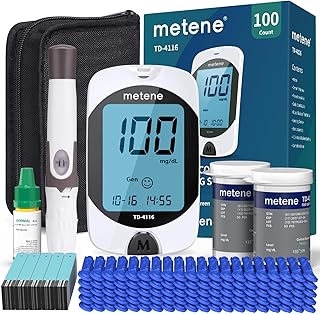
Most people check their blood sugar levels multiple times daily. A reliable glucose monitor matters. The Metene TD-4116 Blood Glucose Monitor Kit comes with 100 test strips, 100 lancets, and a no-coding meter with a large display. At $34.99, it’s an affordable starting point for anyone building their testing routine.

You’ll inject insulin or use an insulin pump. Pumps deliver a continuous baseline dose and let you add extra when you eat. Injections require planning but work just as well for many people.

The carb-counting reality
Carbohydrates raise blood sugar. Protein and fat raise it less and slower. Every meal becomes a math problem.
You learn to estimate carbs in a slice of pizza, a bowl of rice, a banana. You learn that stress hormones spike your glucose even when you haven’t eaten. You learn that a workout can drop your levels hours later, sometimes in the middle of the night.
It gets easier. I’m not saying it gets easy. The mental load is real. But patterns emerge. You build instincts. A 2021 study found that people with type 1 diabetes make an average of 180 extra health-related decisions daily compared to people without it.
Technology that helps
Continuous glucose monitors changed the game. A small sensor sits under your skin and measures glucose every few minutes. Your phone shows the number and a trend arrow. Is your blood sugar rising? Falling? Stable? You know instantly instead of pricking your finger eight times a day.
Insulin pumps got smarter. Some now work with CGMs to adjust delivery automatically, reducing extreme highs and lows while you sleep. These hybrid closed-loop systems aren’t perfect, but they’re closer to mimicking a working pancreas than anything before.
Traveling with diabetes
Insulin needs refrigeration until you open it. Room temperature works for a month after that, but heat destroys it fast. Leaving it in a hot car for an afternoon can ruin an entire vial.
For trips, the AUVON Insulin Cooler Travel Case keeps your pens cold with TSA-approved ice packs. It’s compact enough for a carry-on and costs under $10. Small investment for peace of mind when you’re stuck on a delayed tarmac.
Pack double the supplies you think you need. Bring a doctor’s note explaining your medications and devices. Security lines with pumps and CGMs usually go smoothly, but not always.
The mental health piece
Diabetes burnout is common. You’re supposed to care about your blood sugar levels every hour of every day for the rest of your life. That’s exhausting.
Some people experience diabetes distress. Others develop eating disorders tied to insulin manipulation. The rate of depression runs higher in people with type 1 than in the general population.
None of this means failure. It means you’re human. If managing diabetes feels overwhelming, talk to your care team about support resources. Therapy with someone who understands chronic illness helps more than general advice.
What research looks promising
Scientists are working on several fronts. Encapsulated islet cell transplants could potentially give people working beta cells without requiring immunosuppression drugs. Early trials show promise.
Others focus on prevention, trying to stop the autoimmune attack before it destroys all the beta cells. In 2022, the FDA approved teplizumab, a drug that can delay type 1 diabetes onset by about two years in high-risk individuals.
A functional cure might come. It might not come in your lifetime. Plan as if it won’t, and celebrate if it does.
Building your support system
Your endocrinologist matters. So does your diabetes educator, your pharmacist, and your primary care doctor. But the people who often help most are others living with the same condition.
Online communities exist on every platform. Local meetups happen in most cities. Summer camps for kids with type 1 diabetes create lifelong friendships. There’s something about talking to someone who gets it, who doesn’t need every term explained, who understands why a blood sugar of 47 at 2 a.m. rattles you for days.
You don’t have to figure this out alone. The condition is yours, but the knowledge and support don’t have to be.
Добавить комментарий